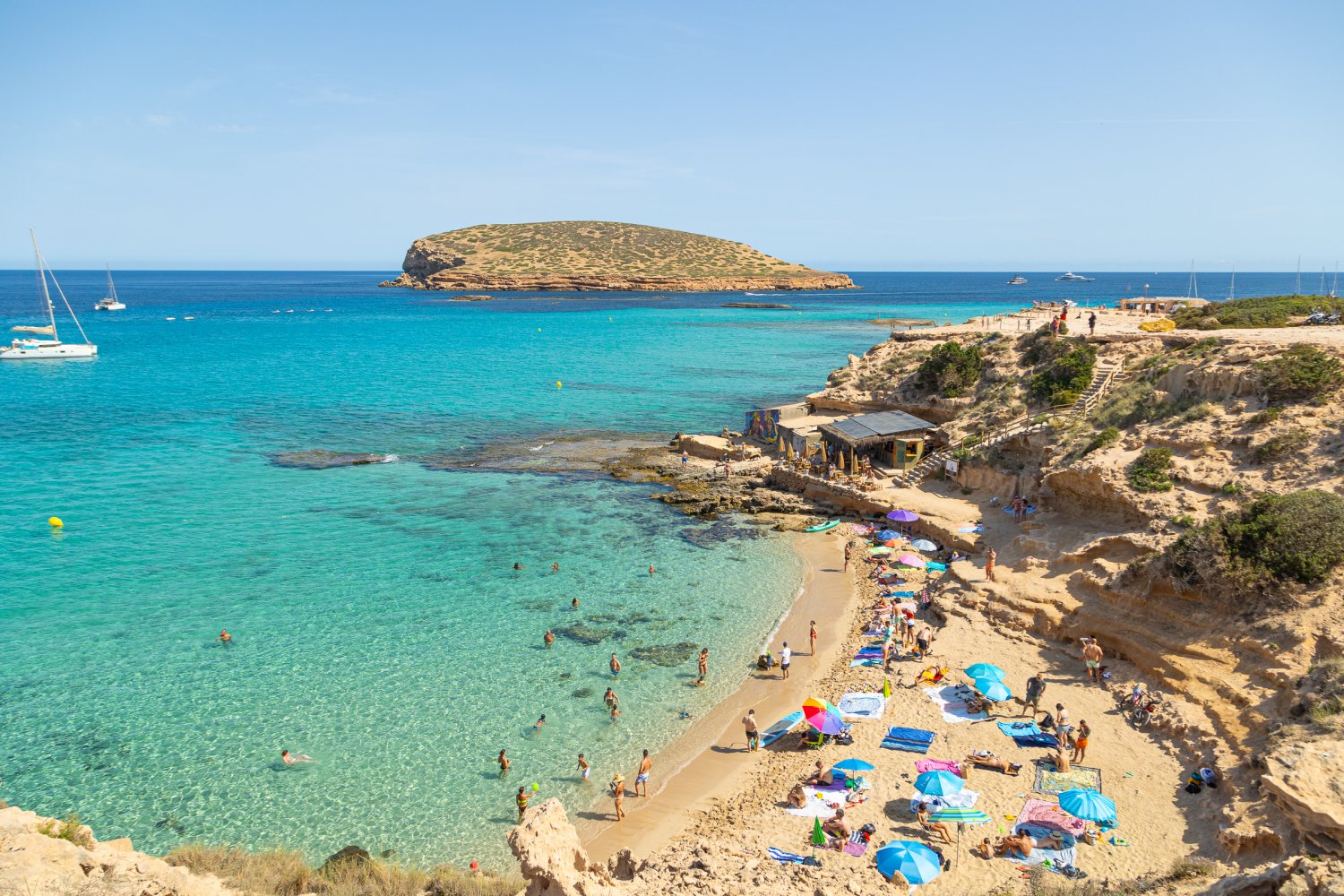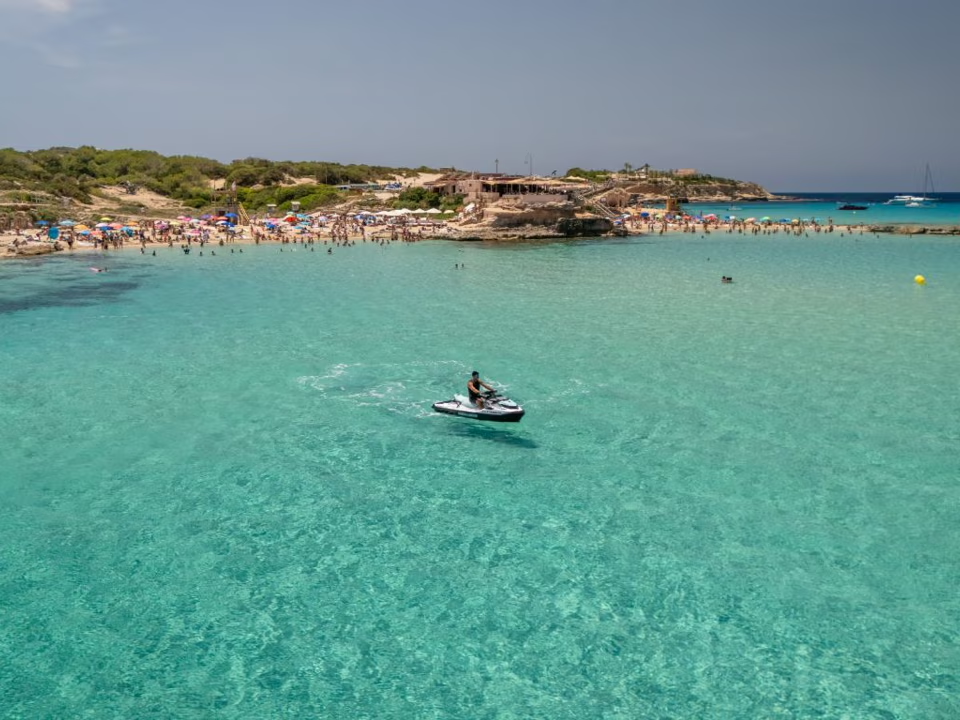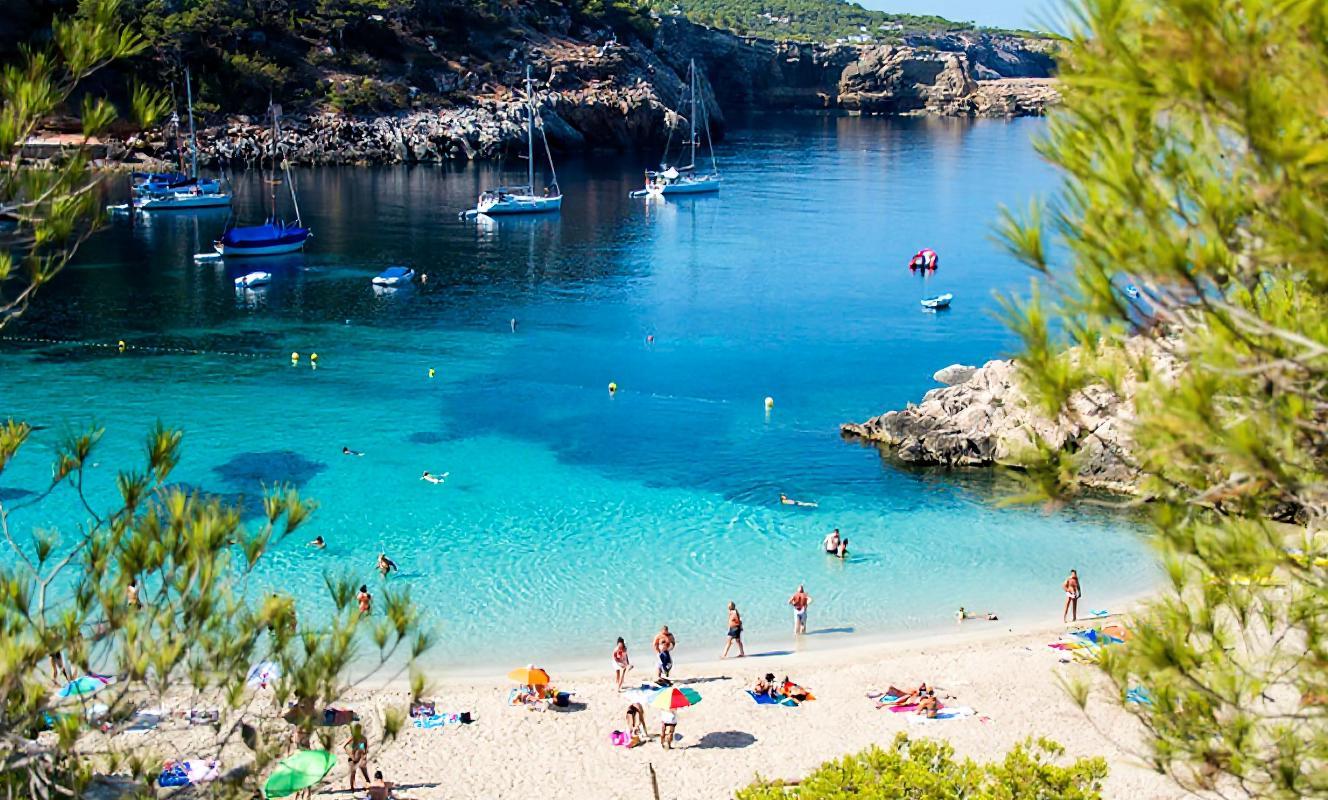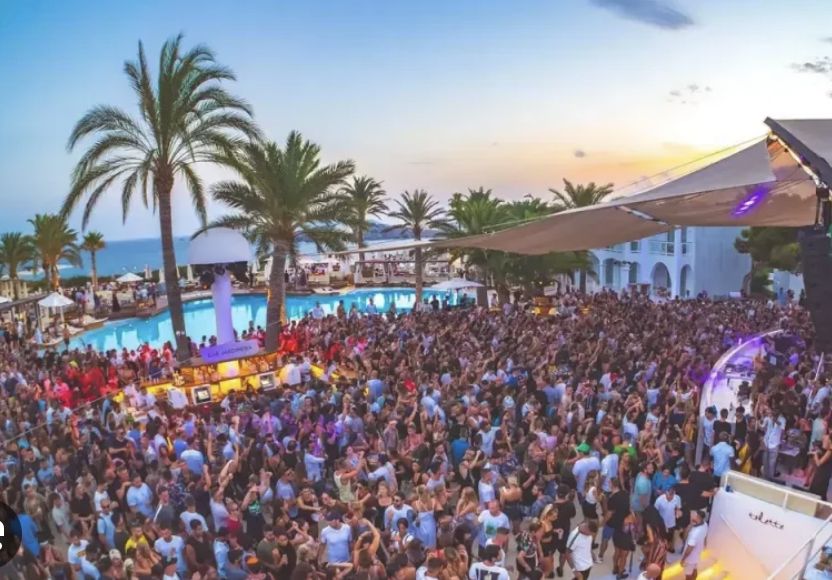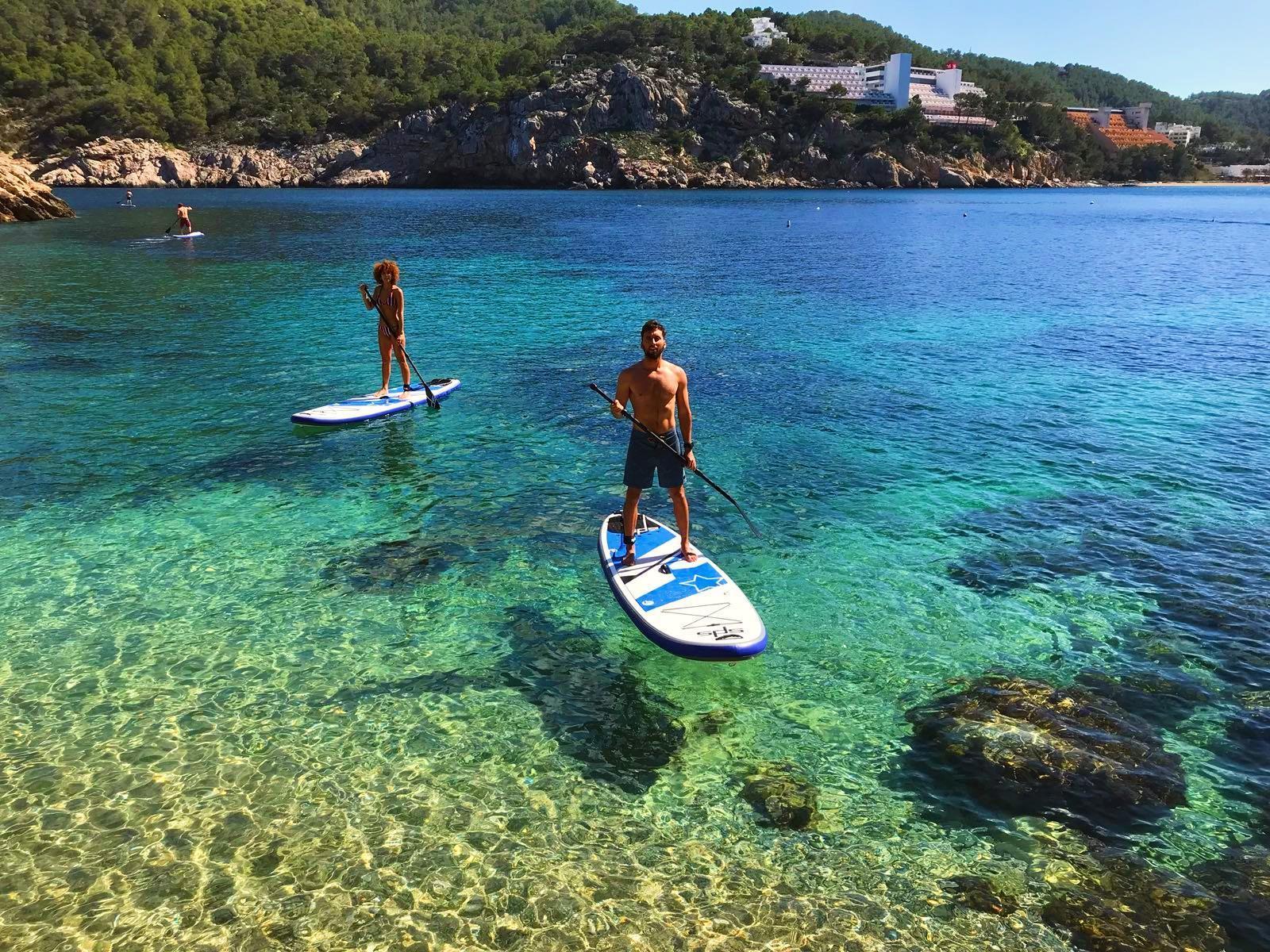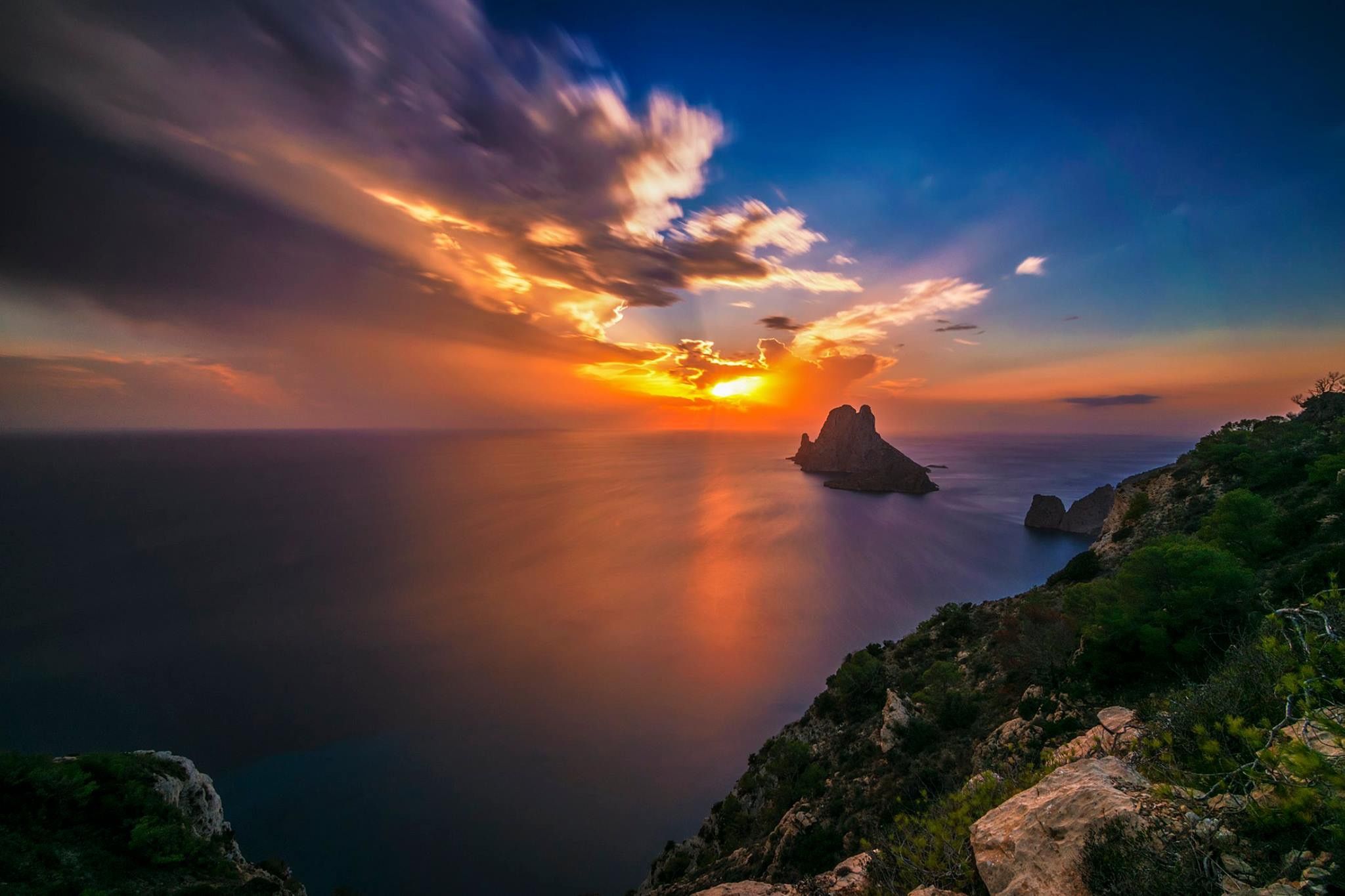
While Ibiza is globally celebrated for its sun-drenched beaches and world-famous parties, the island is also home to some of the most fascinating UNESCO World Heritage Sites in Spain.
These protected areas reveal a deeper, quieter side of the island, a story of ancient civilizations, marine ecosystems, and architectural treasures that have stood the test of time.
Whether you’re a history lover, a nature enthusiast, or just want a break from the dancefloor, this guide will walk you through everything you need to know about the UNESCO-recognized gems of Ibiza.
What Is a UNESCO World Heritage Site?
UNESCO (United Nations Educational, Scientific and Cultural Organization) designates World Heritage Sites based on their cultural, historical, scientific, or environmental significance.
These sites are recognized as having “Outstanding Universal Value,” meaning they’re considered treasures not just of the country they belong to, but of humanity as a whole.
Ibiza was officially declared a World Heritage Site in 1999 under the collective title:
“Ibiza, Biodiversity and Culture”
The designation includes a unique combination of natural and cultural elements, a rarity among World Heritage listings, making Ibiza one of the most special Mediterranean islands for more than just its nightlife.
Overview of Ibiza’s UNESCO World Heritage Sites
There are four key components to the World Heritage designation in Ibiza:
Posidonia Oceanica (Seagrass Meadows)
Dalt Vila (Old Town of Ibiza)
The Phoenician Settlement of Sa Caleta
The Puig des Molins Necropolis
Each site tells a different part of the island’s story, from its ecological richness to its strategic military history and ancient Mediterranean roots.
Let’s explore them in detail.
1. Posidonia Oceanica – The Seagrass Meadows
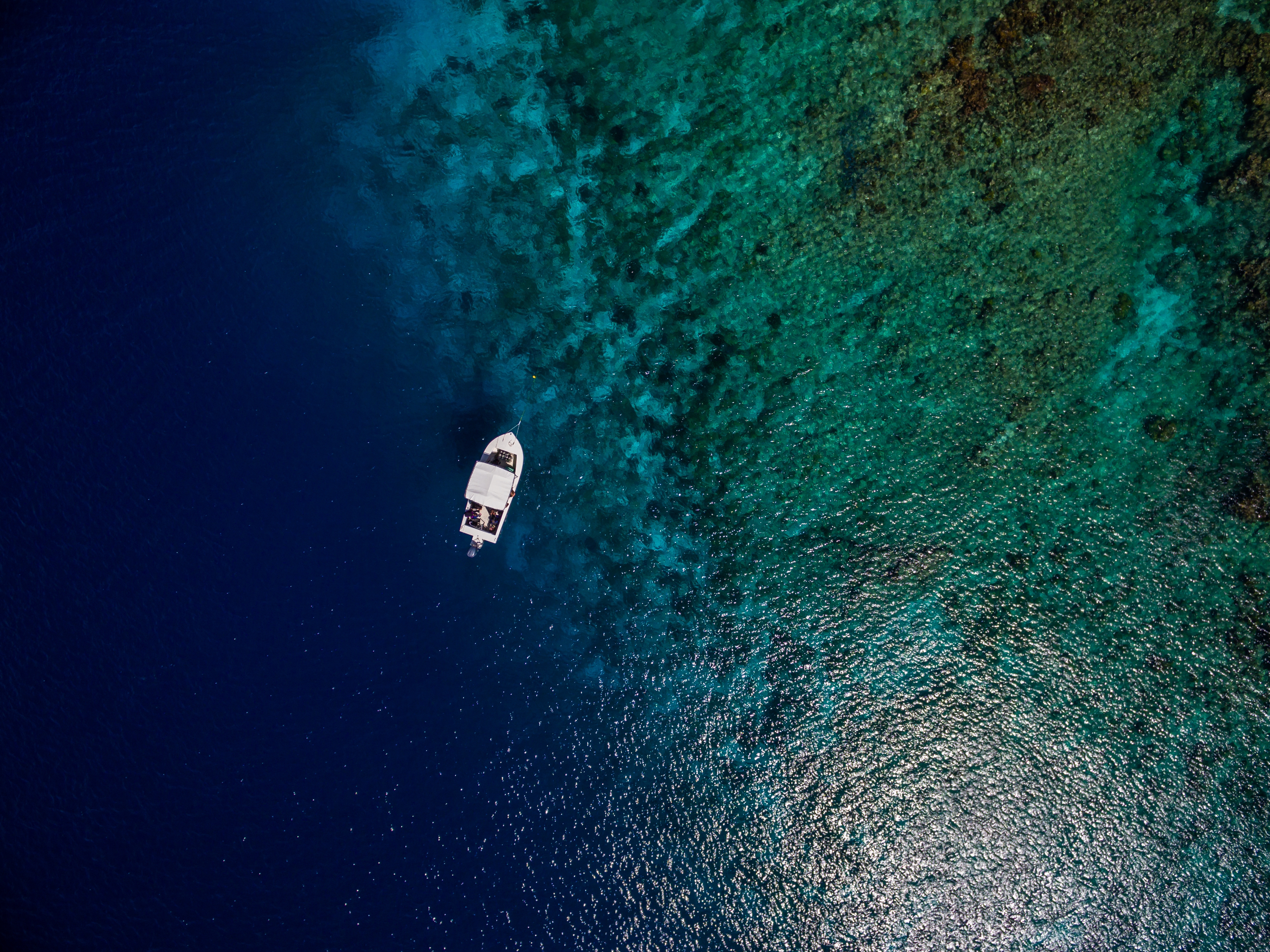
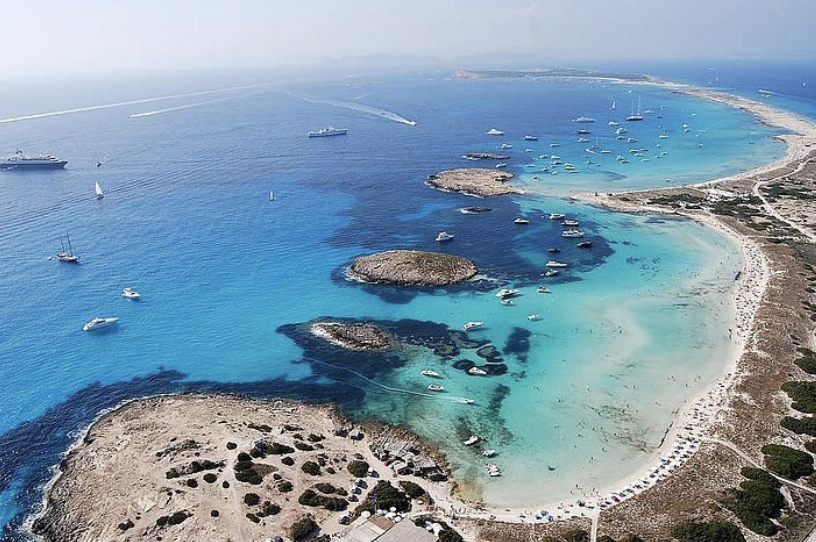
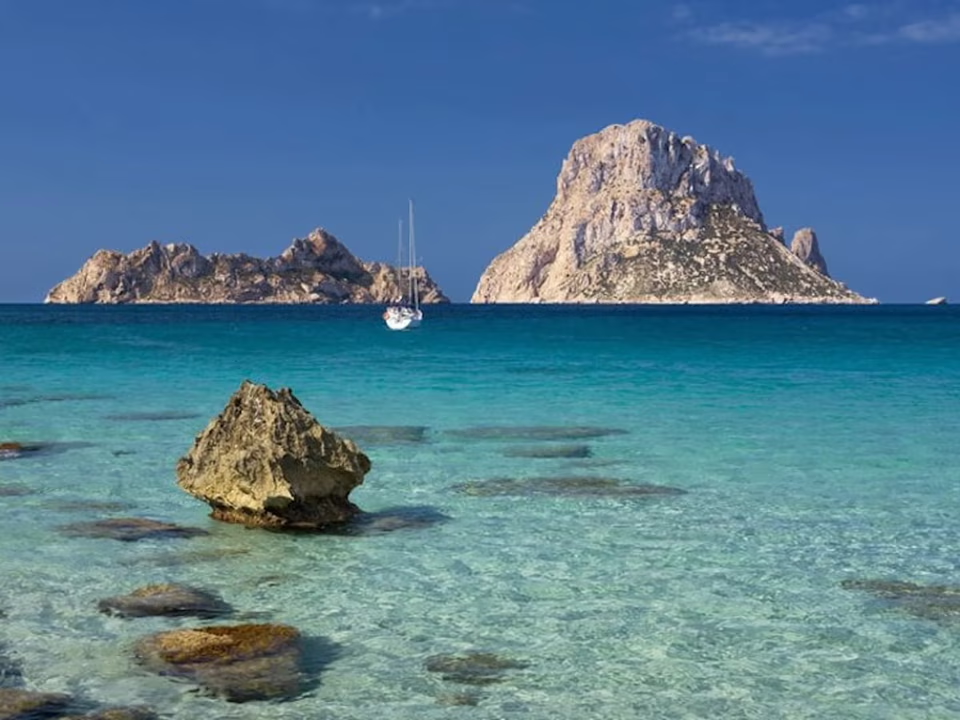
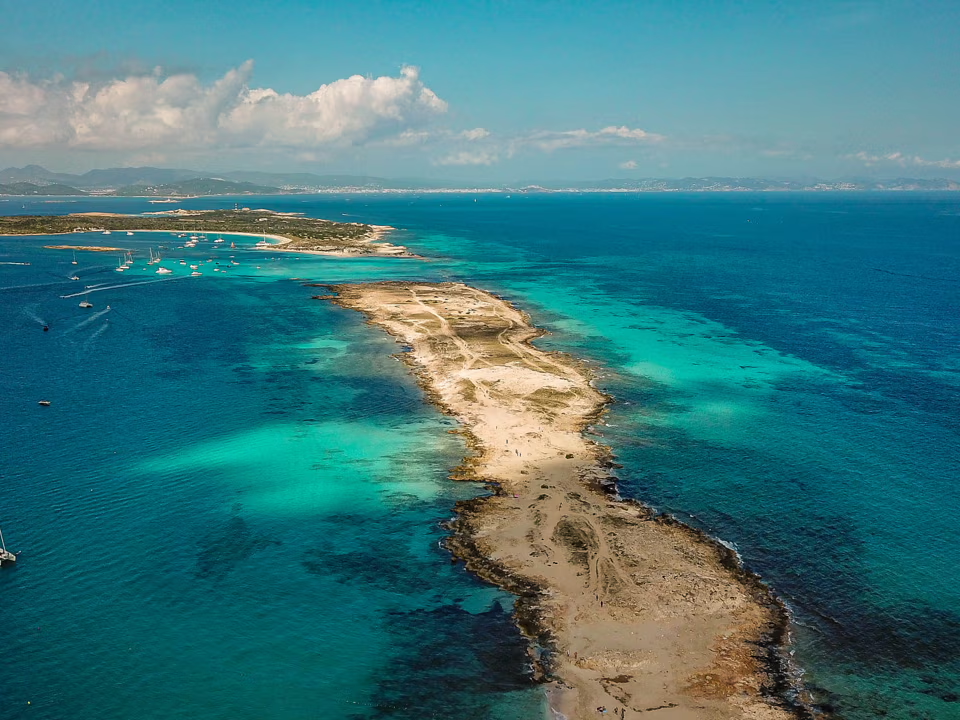
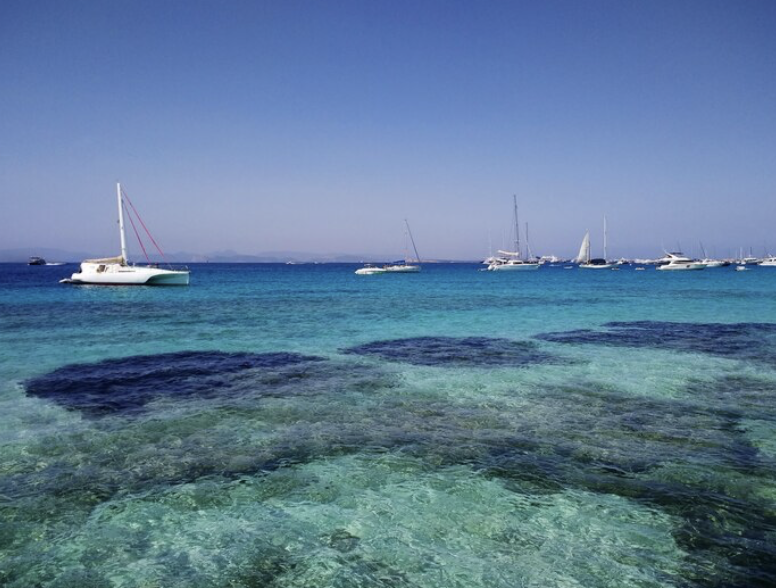
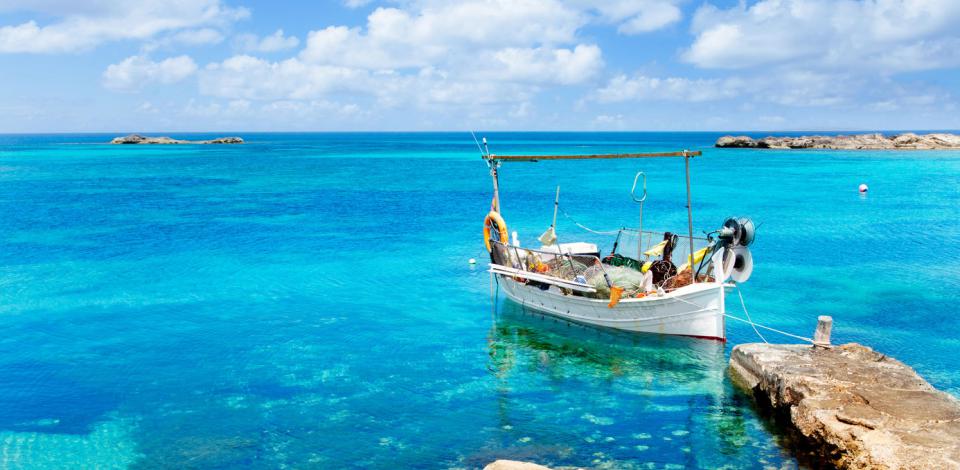
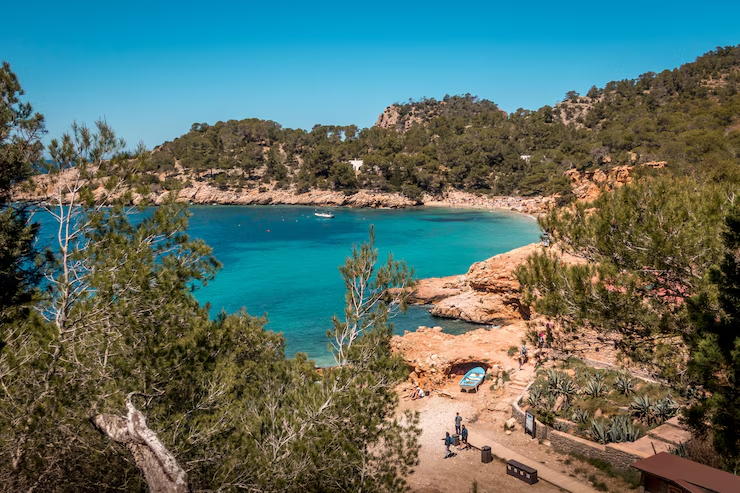
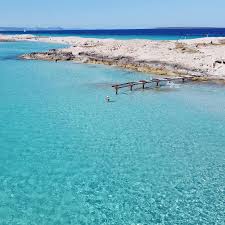
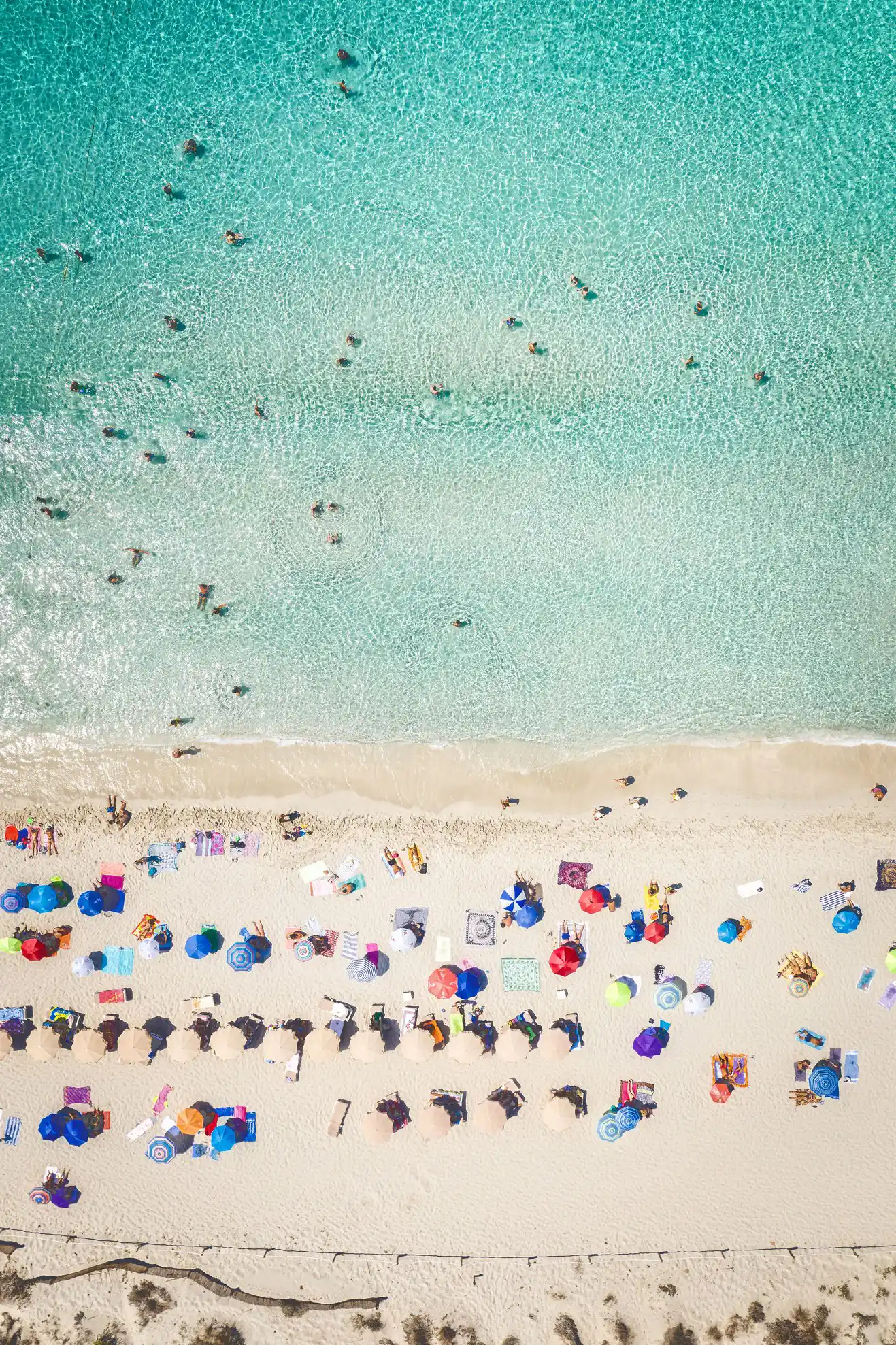
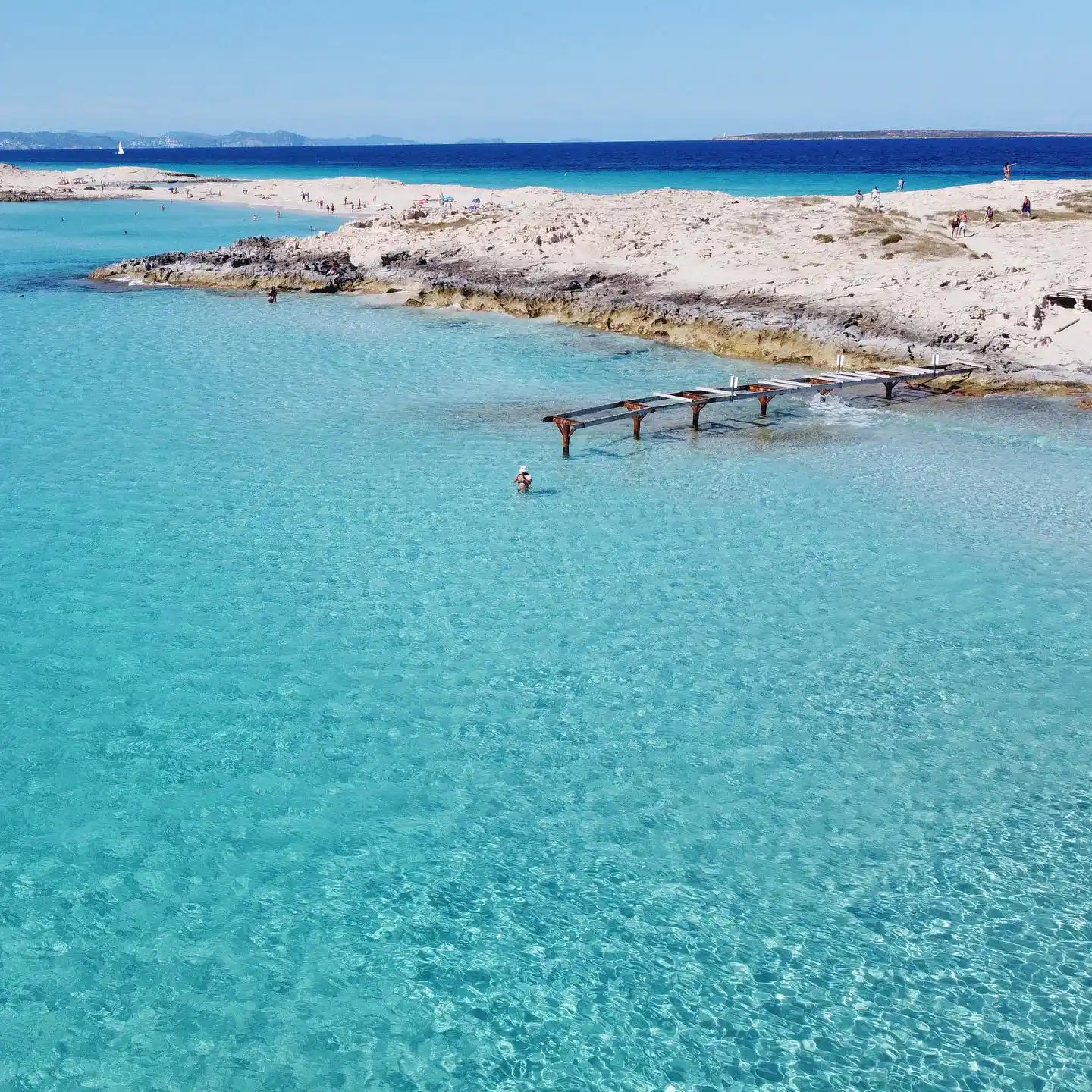
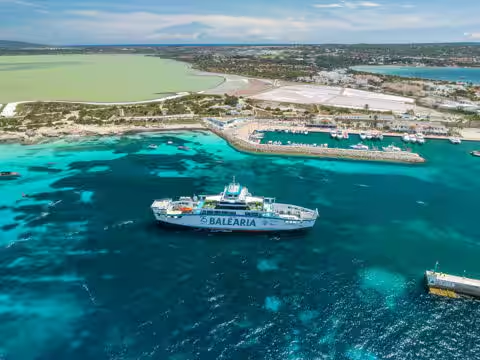
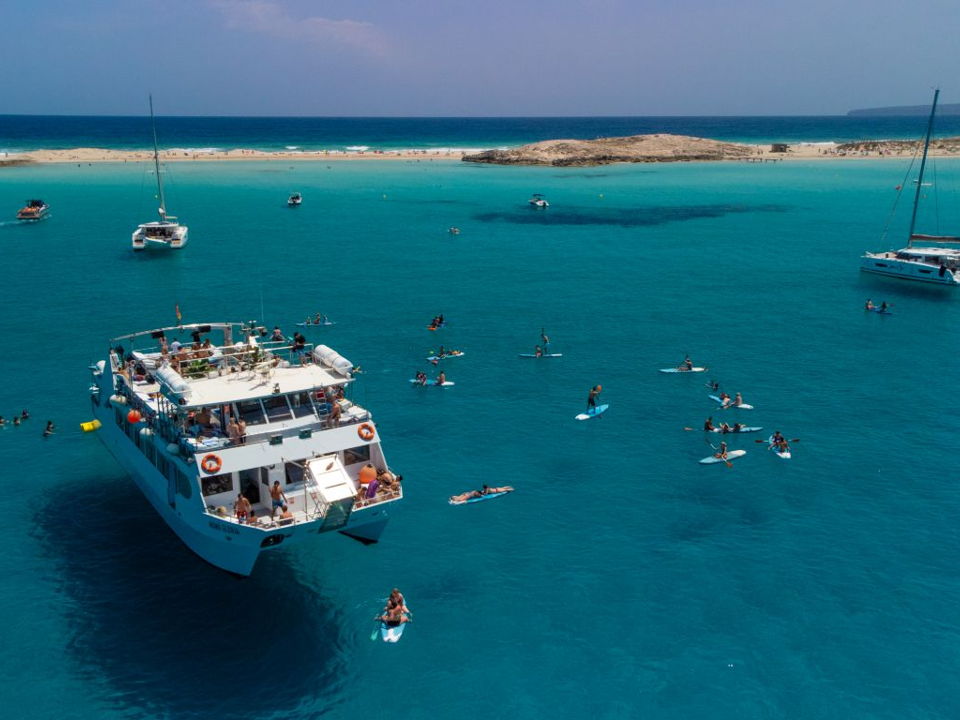
Beneath the surface of Ibiza’s turquoise waters lies one of the island’s most important natural treasures: the Posidonia oceanica, or Mediterranean seagrass. These underwater meadows, found between Ibiza and Formentera, are over 100,000 years old and form the basis of the local marine ecosystem.
Why It Matters
Produces oxygen — up to 20 liters per square meter daily.
Filters the water, keeping Ibiza’s beaches crystal clear.
Supports marine biodiversity, acting as a nursery for countless species.
Mitigates climate change, by storing large amounts of carbon.
The Posidonia meadows are among the best-preserved in the Mediterranean, which is one of the reasons UNESCO awarded Ibiza its World Heritage status. Protecting these meadows is now a key goal of many local environmental initiatives.
How to Experience It
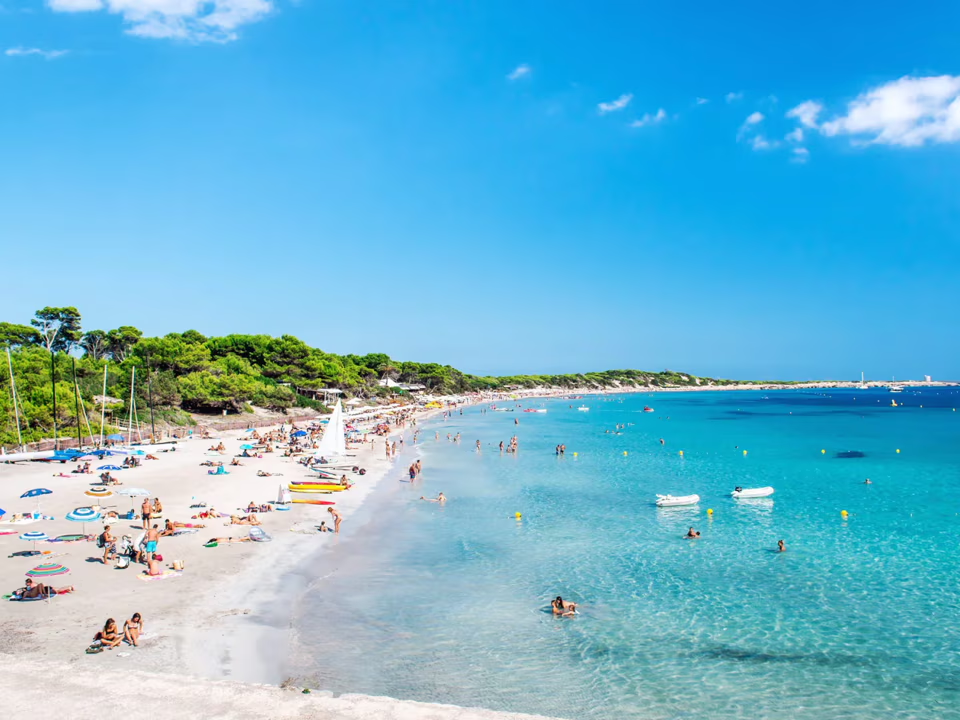
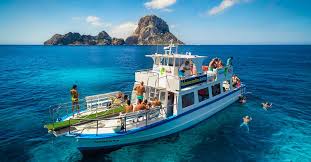
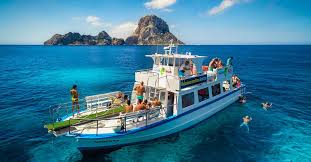
Go snorkeling or take a glass-bottom boat tour from Playa d’en Bossa or Ses Salines.
Join an eco-tour or marine conservation workshop.
Visit Aquarium Cap Blanc in San Antonio to learn more about local marine life.
2. Dalt Vila – The Historic Walled City of Ibiza
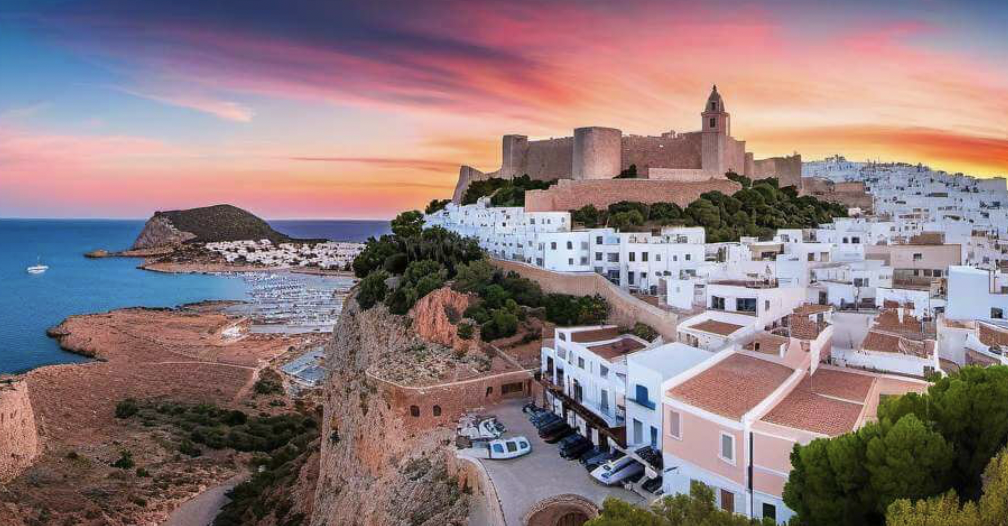
Perched above Ibiza Town, Dalt Vila (“Upper Town”) is one of the most iconic and best-preserved hilltop fortresses in Europe.
Originally constructed in the 16th century to protect against Ottoman and pirate invasions, its walls, bastions, cobblestone alleys, and cathedral form a stunning example of Renaissance military architecture.
Highlights
Portal de ses Taules: The dramatic main entrance with Roman statues.
Ibiza Cathedral (Catedral de Santa Maria): A Gothic-Baroque masterpiece with panoramic views.
Baluarte de Santa Llúcia: One of the largest bastions, offering sunset vistas over the harbor.
Museo Puget and the Contemporary Art Museum: Located within the old town walls.
Why It Matters
Dalt Vila is a rare example of a fully intact Renaissance bastion fortification, designed by Italian engineer Giovanni Battista Calvi. It reflects Ibiza’s long history as a strategic location in the Mediterranean, from the Phoenicians and Romans to the Moors and Spanish Empire.
How to Visit
Start at Portal Nou and walk uphill through the narrow lanes.
Join a guided walking tour to discover hidden corners and history.
Visit in the late afternoon for golden-hour lighting and cooler temperatures.
3. Sa Caleta – The Phoenician Settlement
Located on the south coast near the modern-day airport, Sa Caleta is the earliest known settlement on the island, founded by the Phoenicians in the 7th century BC.
These skilled sailors came from present-day Lebanon and established a key outpost here to expand their trade across the western Mediterranean.
What You’ll Find
Stone foundations of ancient houses and communal buildings.
Strategic coastal location, ideal for anchoring ships and trade.
Educational signage and open-air paths to explore the site.
Why It Matters
Sa Caleta offers a rare and valuable window into early urban planning and social organization in the ancient Mediterranean world. The site represents the beginnings of Ibiza’s cultural and commercial development.
How to Visit
Best accessed by car; it's located near Cala Jondal.
Combine your visit with a beach day or lunch at nearby Blue Marlin.
Wear comfortable shoes; the terrain is rocky and uneven.
4. Puig des Molins Necropolis
Just a short walk from Ibiza Town, this hillside site contains over 3,000 tombs, dating back more than 2,500 years. Originally used by the Phoenicians and later the Carthaginians and Romans, it’s considered the largest and best-preserved necropolis in the western Mediterranean.
What You’ll See
Underground burial chambers carved into rock.
Artifacts including jewelry, ceramic urns, coins, and funerary statues.
The Monographic Museum, which houses a collection of rare archaeological finds.
Why It Matters
Puig des Molins provides deep insight into the spiritual beliefs, burial practices, and societal structures of Ibiza’s ancient inhabitants. It also shows the continuity of civilizations that called the island home over many centuries.
How to Visit
Located just west of Dalt Vila, you can walk from the old town.
The site and museum are open year-round.
Entry is affordable, and discounts apply to students and EU citizens.
Why Ibiza’s UNESCO Sites Are So Unique
Ibiza is one of the few places in the world where nature and culture are equally honored under a single UNESCO designation. You’ll find:
Natural wonders (like Posidonia meadows)
Fortified cities and cathedrals
Ancient burial grounds
Prehistoric settlements
These layers of history and ecology co-exist with the island’s vibrant modern identity, creating a blend of past and present that’s unlike anywhere else in Spain, or the world.
When to Visit UNESCO Sites in Ibiza
While most of these places are accessible year-round, the best times to explore them are:
April to early June – Spring temperatures and quiet crowds
September to October – Warm weather and post-summer calm
Early mornings or late afternoons – Ideal for walking tours and photography
If you’re visiting in peak season (July–August), plan your cultural excursions early in the day and head to the beach afterward.
Combine Your Trip with Local Culture
Why not turn your UNESCO experience into a full cultural journey?
Visit the Ibiza Archaeological Museum in Dalt Vila to learn about all four World Heritage sites in one place.
Attend the Medieval Festival in May, where Dalt Vila comes alive with performances, markets, and parades.
Book a sunset dinner near Sa Caleta after exploring the ruins.
Final Thoughts
Ibiza is far more than just parties and beach clubs. It’s a place where ancient stories meet modern dreams, where underwater forests purify the sea, and where walls built centuries ago still stand strong over bustling towns.
Whether you spend a few hours wandering the streets of Dalt Vila, diving above the Posidonia meadows, or discovering tombs older than Rome, Ibiza’s UNESCO World Heritage Sites offer a rich and unforgettable experience.
To make the most of your visit, check out tickets Ibiza, for curated excursions that blend history, nature, and the island’s cultural essence.
So next time you're on the island, take a break from the party. Step into history. Breathe in the legacy. And see a side of Ibiza that few truly explore, but everyone should.