
Ibiza is known for its beaches, boat parties and nightlife, but the island’s weather is one of the main reasons people return year after year.
The island has a Mediterranean climate, with hot and mostly dry summers, mild winters and long periods of sunshine. Beach conditions normally begin improving in spring and can continue well into autumn, while the warmest months combine high temperatures with very little rainfall.
However, the best time to visit Ibiza does not depend on temperature alone. July and August deliver the hottest weather and busiest nightlife, but June and September often provide a better balance of sunshine, warm sea temperatures, available events and manageable crowds.
These are the main things to know about Ibiza weather:
July and August are generally the hottest months
June and September offer excellent beach weather with fewer peak-season crowds
Rain is uncommon during the main summer months
The sea is usually warmest between August and September
May marks the beginning of reliable beach weather
October can still be warm enough for swimming
Winters are mild but much quieter
Weather forecasts beyond seven to ten days should be treated as an indication rather than a guarantee
What Is the Weather Like in Ibiza?
Ibiza has a typical Mediterranean climate. Summers are hot, dry and sunny, while winters are mild and receive more variable weather.
Between June and September, daytime temperatures regularly reach the high twenties or low thirties. Heatwaves can push temperatures considerably higher, particularly in July and August. Humidity can also make the temperature feel warmer than the number shown on a forecast.
Winter temperatures are much cooler but remain mild compared with northern Europe. Daytime conditions are often suitable for walking, cycling and exploring the island, although beach clubs, major parties and many seasonal businesses close outside the summer season.
The coast benefits from sea breezes, which can make hot days feel more comfortable. Inland areas and enclosed parts of Ibiza Town, particularly the streets around Dalt Vila, can feel warmer and more humid.
Ibiza Weather by Season
Ibiza Weather in Spring
Spring in Ibiza runs from March to May and brings gradually warmer temperatures, longer days and increasingly reliable sunshine.
March can still feel cool in the mornings and evenings. Daytime conditions are usually pleasant for sightseeing, hiking and cycling, but the sea remains cold for most visitors.
April is noticeably warmer, although occasional rain and cloudy days are still possible. It is an attractive month for exploring the island before the summer crowds arrive.
May is when Ibiza starts to feel like a summer destination. Beach restaurants reopen, daytime temperatures become more consistent and the first major club events begin. The sea may still feel refreshing, but swimming becomes much more comfortable toward the end of the month.
Spring is best for visitors who want:
Fewer crowds
Lower accommodation prices
Hiking and cycling
Sightseeing in Ibiza Town
Quiet beaches
Opening events in late April and May
Ibiza Weather in Summer
Summer is the hottest, driest and busiest period in Ibiza.
June offers long sunny days, warm temperatures and a nightlife calendar that is already operating at full speed. It is often considered one of the best months to visit because the island feels lively without reaching the crowd levels of August.
July is hot, dry and highly reliable for beach holidays. Rainfall is unusual, daylight lasts well into the evening and the sea is warm enough for long swimming sessions. UV levels are very high, so sun protection is essential.
August is usually the hottest and busiest month. Daytime temperatures commonly exceed 30°C, while warm and humid nights can remain above 24°C. Beaches, clubs, restaurants and roads are at their busiest.
Summer is ideal for:
Beach holidays
Boat parties
Formentera excursions
Outdoor clubs
Water sports
Sunset cruises
Peak Ibiza nightlife
Ibiza Weather in Autumn
Autumn begins with some of the best conditions of the entire year.
September remains warm, with high sea temperatures and a full calendar of club nights, boat trips and outdoor activities. The intense August crowds begin to decrease, particularly during the second half of the month.
October is more changeable but can still provide excellent beach days. The sea retains much of the heat accumulated during summer, so swimming may remain comfortable even when the air is cooler.
Rain becomes more likely during autumn. When storms arrive, they can be intense, although they are often followed by clear conditions rather than several uninterrupted days of rain.
November is quieter and cooler. The main nightlife season has ended, but the island becomes attractive for walking, local dining and relaxed stays.
Autumn works well for:
Warm swimming conditions
Closing Parties
Couples
Quieter beaches
Lower prices
Hiking and sightseeing
Late-season boat trips
Ibiza Weather in Winter
Winter is mild but very different from the Ibiza most summer visitors experience.
December, January and February can include sunny afternoons, cloudy periods, rain and cooler nights. Daytime temperatures are often comfortable for outdoor activities when the sun is out, but evenings require warmer clothing.
The sea is generally too cold for casual swimming, although some residents and cold-water swimmers continue throughout the year.
Many large clubs, beach venues and seasonal restaurants close during winter. Ibiza Town, Santa Eulalia and local villages remain active, while the quieter atmosphere reveals a more residential side of the island.
Winter is suitable for:
Hiking
Cycling
Wellness retreats
Remote working
Quiet weekends
Exploring villages
Avoiding crowds
Lower accommodation rates
Ibiza Weather by Month
Ibiza Weather in January
January is one of Ibiza’s coolest months. Daytime conditions are usually mild, but mornings, evenings and windy days can feel cold.
Rain is possible, although there are also clear and sunny periods. This is not a traditional beach month, but it is suitable for walking, cycling and exploring the island without traffic or crowds.
Pack a jacket, long trousers, closed shoes and layers. Accommodation may be cheaper, but the selection of open beach clubs and nightlife venues is limited.
Ibiza Weather in February
February remains cool and relatively quiet. Temperatures begin to rise slightly toward the end of the month, although conditions can change quickly.
Sunny afternoons may feel warm in sheltered areas, but nights remain cold. The island is green at this time of year, making it an attractive period for countryside walks and photography.
Swimming is unlikely to appeal to most visitors because the sea is close to its annual minimum temperature.
Ibiza Weather in March
March marks the beginning of spring.
Daytime temperatures become more comfortable, sunshine hours increase and the island starts preparing for the new season. Rain and wind remain possible, so travellers should not expect guaranteed beach weather.
March is particularly good for hiking, cycling, visiting Dalt Vila and driving around the island before the summer traffic returns.
Ibiza Weather in April
April brings warmer afternoons and longer days.
Some days can feel almost summery, particularly in sheltered beaches and terraces. Other days may be cloudy or affected by short periods of rain.
The sea remains cool, but sunbathing becomes increasingly realistic. The first major Opening Parties may begin toward the end of April, depending on the season’s event calendar.
Ibiza Weather in May
May is the beginning of dependable beach season in Ibiza.
Daytime temperatures usually feel warm without the intense heat of July or August. Most seasonal restaurants, clubs and activity providers are open or preparing to open.
The sea is still cooler than in summer, but many visitors can swim comfortably by the second half of the month.
May is an excellent choice for couples, active travellers and visitors who want warm weather without peak prices.
Ibiza Weather in June
June is one of the best months to visit Ibiza.
The days are long, rain is uncommon and temperatures are warm enough for beaches, swimming and outdoor events. The sea continues warming throughout the month.
Nightlife is in full swing at Hï Ibiza, Ushuaïa Ibiza, [UNVRS] and the island’s other major venues. Boat parties, ferries to Formentera and water activities also operate regularly.
June offers a strong balance between weather, atmosphere and crowd levels.
Ibiza Weather in July
July is hot, dry and sunny.
Daytime temperatures frequently reach approximately 30°C or more, while heatwaves can produce considerably hotter conditions. Humidity can increase the apparent temperature, especially in the afternoon and during the night.
Rain is uncommon, the sea is warm and the island receives long hours of sunlight. Sunscreen, water and shade are essential, particularly between midday and late afternoon.
July is one of the strongest months for nightlife, boat parties and beach clubs.
Ibiza Weather in August
August is usually the hottest and busiest month in Ibiza.
Expect hot afternoons, warm evenings and high sea temperatures. Air-conditioned accommodation can make a significant difference, particularly during humid periods.
The weather is excellent for swimming, sunset cruises and water sports, but midday heat may make sightseeing uncomfortable.
Visitors planning to explore Dalt Vila, markets or inland villages should consider going early in the morning or later in the afternoon.
Ibiza Weather in September
September is often considered one of the best overall months to visit.
The air remains warm, the sea is close to its warmest level and the largest summer crowds begin to decline. Most clubs, restaurants, boat trips and activities continue operating.
Rain becomes slightly more likely than in July or August, particularly later in the month, but long periods of sunshine remain common.
September is ideal for travellers who want beach weather and nightlife without the intensity of peak summer.
Ibiza Weather in October
October can still provide warm and sunny beach days, especially during the first half of the month.
The sea remains relatively warm, although air temperatures become more variable. Rain and storms are more likely, so flexible plans are useful.
The main Closing Parties take place around this period, after which the island becomes considerably quieter.
October is a good option for visitors interested in local restaurants, walking, beaches and a less crowded experience.
Ibiza Weather in November
November is cooler, quieter and more changeable.
Sunny days can still feel pleasant, but rain, cloud and wind are more common. Nights require warmer clothing, and most seasonal clubs and beach venues have closed.
It is a suitable month for countryside stays, hiking and experiencing Ibiza outside its tourism peak.
Ibiza Weather in December
December is mild compared with much of Europe but is not beach weather in the traditional sense.
The island can experience clear sunny days alongside rain and cooler periods. Daylight hours are shorter, and the tourism infrastructure operates on a reduced winter schedule.
Christmas and New Year bring some local events and restaurant openings, particularly in Ibiza Town.
Average Ibiza Temperatures by Month
Exact conditions vary from year to year, but visitors can use these general temperature ranges when planning a trip:
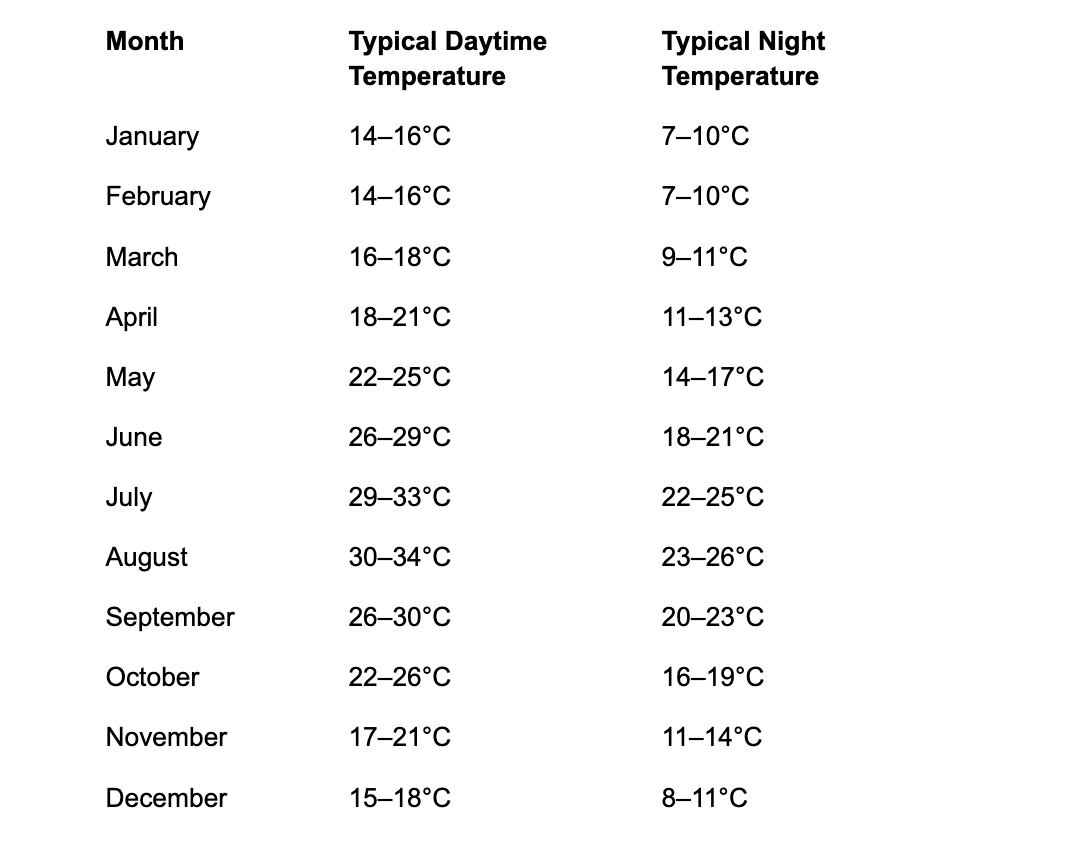
These figures represent broad expectations rather than a forecast. Individual heatwaves, storms and unusually warm or cool periods can move temperatures outside these ranges.
Sea Temperature in Ibiza
The sea temperature plays an important role when deciding when to visit Ibiza.
In winter and early spring, the water is cool and best suited to cold-water swimmers. It begins warming more noticeably in May and becomes comfortable for most visitors in June.
July, August and September offer the warmest swimming conditions. The sea can remain pleasantly warm into October because water loses heat more slowly than the air.
Typical seasonal expectations are:
January to March: cold for most swimmers
April: refreshing and usually better for short swims
May: increasingly comfortable
June: good swimming conditions
July and August: warm
September: often at or near its warmest
October: still suitable on warm days
November and December: noticeably colder
Boat trips can operate outside summer, but the most reliable combination of warm air, calm conditions and comfortable swimming generally occurs between June and September.
How Much Does It Rain in Ibiza?
Ibiza receives relatively little rain during summer.
June, July and August are usually dry, with long periods of uninterrupted sunshine. A cloudy forecast does not necessarily mean a ruined beach day, as cloud cover can be temporary or partial.
Rain becomes more likely during autumn, particularly from September through November. Mediterranean storms can occasionally produce heavy rainfall in a short period.
Winter and early spring are more variable, but Ibiza rarely experiences the prolonged grey weather associated with some northern European destinations.
When rain is forecast, it is useful to check the hourly prediction rather than only the daily weather symbol. A rain icon may represent a brief shower rather than an entire day of poor conditions.
Is Ibiza Windy?
Ibiza can be windy, and wind conditions matter particularly for boat trips, ferries and water sports.
A moderate coastal breeze can make hot summer days more comfortable. Stronger winds can create rougher seas, affect smaller boats or lead operators to modify routes.
For a standard beach day, wind direction can make one side of the island calmer than another. A beach on the opposite coast may offer more protected conditions.
Before booking or attending a boat activity, check:
Wind speed
Wind direction
Wave height
Operator updates
Departure point
Cancellation conditions
The temperature forecast alone is not enough to determine whether conditions are suitable at sea.
Is Ibiza Too Hot in August?
August can feel extremely hot, particularly during the middle of the day.
Normal summer temperatures are manageable for many visitors, but heatwaves combined with humidity can produce much higher “feels like” temperatures. Current weather services may also issue high-temperature or extreme-heat warnings during particularly hot periods.
To manage the heat:
Avoid long walks between approximately 13:00 and 17:00.
Carry water throughout the day.
Use high-protection sunscreen.
Choose accommodation with air conditioning.
Wear a hat and lightweight clothing.
Plan sightseeing for the morning.
Take regular breaks in the shade.
Avoid excessive alcohol before spending hours in the sun.
August is excellent for swimming and nightlife, but June or September may be more comfortable for visitors sensitive to heat.
What Is the Best Month to Visit Ibiza?
For many travellers, June and September are the best months to visit Ibiza.
Both months usually provide:
Warm beach weather
Comfortable sea temperatures
Active nightlife
Regular boat parties
Open restaurants and beach clubs
Fewer crowds than August
Better availability than peak season
June has longer days and a lower likelihood of autumn storms. September has warmer sea temperatures and a gradually calmer atmosphere.
The right month still depends on what you want from the trip.
Best Time to Visit Ibiza for Beaches
The best beach conditions normally occur from June through September.
July and August offer the most reliable heat, while June and September tend to feel more comfortable.
May and October can also deliver excellent beach days, but the weather is less predictable and the sea may feel cooler.
Best Time to Visit Ibiza for Nightlife
The main Ibiza clubbing season runs from late April or May until October.
June, July, August and September provide the widest choice of weekly residencies and special events.
Opening Parties attract large crowds at the beginning of the season, while Closing Parties become a major focus from late September into October.
July and August have the busiest calendar, but ticket prices and accommodation costs are also highest.
Best Time to Visit Ibiza for Boat Parties
June through September is the strongest period for boat parties.
These months generally offer:
Warm temperatures
Long daylight hours
Better swimming conditions
More regular departures
Full seasonal schedules
Sunset conditions late in the evening
May and October may also have available sailings, although the number of departures can be lower and weather-related changes are more likely.
Best Time to Visit Formentera
Formentera is best visited between May and October.
June and September are particularly attractive because the weather is warm and the beaches may be less crowded than in August.
For a day trip, check the wind and ferry forecast in addition to the temperature. Calm sea conditions can make a significant difference to the crossing.
Best Time for Sightseeing and Outdoor Activities
April, May, September and October are ideal for sightseeing.
The temperatures are generally more comfortable for:
Exploring Dalt Vila
Visiting markets
Hiking
Cycling
Quad tours
Buggy tours
Walking through villages
Visiting viewpoints
Exploring the coastline
July and August are still possible, but outdoor activities are best scheduled early or late in the day.
Does Rain Stop Ibiza Clubs?
Most nightlife events continue when it rains.
Indoor venues such as Hï Ibiza, [UNVRS], Chinois Ibiza, Eden Ibiza and Es Paradis are less affected by poor weather.
Outdoor or partially outdoor events may adapt depending on the severity of the conditions. Light rain may not lead to cancellation, but strong winds, thunderstorms or safety concerns can affect programming.
Always check the event organiser’s communication before travelling to the venue.
Does Bad Weather Cancel Boat Trips?
Boat trips are more sensitive to weather than nightclub events.
Rain alone does not always cause a cancellation. Wind, waves, visibility and sea safety are usually more important.
An operator may:
Continue as planned
Change the route
Move the departure time
Reduce swimming stops
Offer another date
Cancel and follow its refund policy
Travellers should read the cancellation terms before booking and monitor messages from the operator on the day.
What to Pack for Ibiza
What to Pack in Summer
For a trip between June and September, bring:
Swimwear
High-SPF sunscreen
Sunglasses
A hat
Lightweight clothing
Comfortable sandals
Trainers for clubs and walking
A reusable water bottle
A light layer for air-conditioned spaces
Any medication you may need
Evenings are warm, but club dress expectations vary. Comfortable footwear is important if you plan to dance for several hours.
What to Pack in Spring or Autumn
Conditions can change more quickly, so pack:
Swimwear
T-shirts
Light trousers
Trainers
A light jacket
A thin waterproof layer
Sunscreen
Sunglasses
Clothing that can be layered
May and September can feel very summery, while April and late October require more flexibility.
What to Pack in Winter
During winter, pack:
A medium-weight jacket
Long trousers
Closed shoes
Knitwear or layers
A waterproof jacket
Comfortable walking clothes
Warmer clothing for evenings
Indoor heating may not feel as strong as in colder countries, so layers remain useful inside some properties.
How Reliable Is the Ibiza Weather Forecast?
Short-term forecasts are generally the most useful.
Hourly predictions for the same day can help you decide when to visit the beach, schedule a boat trip or explore Ibiza Town.
Forecasts covering seven days provide a useful overview, but details may change. Predictions for 10, 14, 21 or 30 days should be treated as trends rather than precise plans.
For outdoor and marine activities, check the forecast again:
One week before
Two days before
The evening before
On the morning of the activity
AEMET is Spain’s official meteorological agency and is especially useful for local warnings. Marine-focused services can add information on wind and waves.
How to Plan Ibiza Activities Around the Weather
A flexible itinerary allows you to use the best conditions for outdoor experiences.
On the clearest and calmest days, prioritise:
Boat trips
Formentera
Jet Ski tours
Snorkelling
Beach clubs
Sunset cruises
Water sports
On very hot days, consider:
A morning beach visit
A shaded lunch
An afternoon rest
An evening club event
If the day is cloudy or cooler, good alternatives include:
Exploring Dalt Vila
Visiting Ibiza Town
Eating at inland restaurants
Taking a scenic drive
Visiting a spa
Attending an indoor event
Cloudy weather does not necessarily mean a bad Ibiza day. It can make walking, sightseeing and outdoor dining more comfortable.
Book Ibiza Experiences with Clubtickets
Clubtickets can help you organise activities according to your dates and the expected weather.
Depending on availability, you can book:
Tickets for Ushuaïa Ibiza
Tickets for Hï Ibiza
Events at [UNVRS]
Pool parties at O Beach Ibiza
Chinois Ibiza
Eden Ibiza
Es Paradis
Ibiza boat parties
The Formentera Cruise
Ibiza–Formentera ferry tickets
Boat trips
Jet Ski experiences
Buggy tours
Water sports
Island excursions
Booking several experiences through the same platform can make it easier to build a realistic itinerary. You might reserve a Formentera trip for a calm day, plan a boat party for a sunny afternoon and keep indoor clubs for later in the evening.
During July and August, popular events and departures can sell out before an accurate short-term forecast becomes available. In that situation, check the cancellation conditions and book high-priority activities in advance.
Conclusion
Ibiza offers a mild Mediterranean climate and a long season for beaches, boating and outdoor activities.
July and August provide the hottest and most reliable summer conditions, but they also bring the largest crowds, highest prices and most intense heat. June and September are often better choices for travellers who want warm weather, active nightlife and more comfortable conditions.
May and October suit visitors who prefer a quieter island and are willing to accept slightly less predictable weather. Winter offers a completely different experience focused on nature, villages, local life and outdoor exploration.
Whatever month you choose, check the short-term forecast before boat trips and outdoor activities, protect yourself from the summer sun and leave some flexibility in your itinerary. That way, you can make the most of Ibiza whether the plan includes beaches, Formentera, clubs or exploring the island beyond its nightlife.
Frequently Asked Questions
What is the hottest month in Ibiza?
August is generally the hottest month, although significant heatwaves can also occur in July.
What is the best month to visit Ibiza?
June and September usually provide the best balance of warm weather, active nightlife and fewer peak-season crowds.
Does it rain a lot in Ibiza?
No. Ibiza has a relatively dry Mediterranean climate, especially during June, July and August. Rain is more common in autumn and winter.
Can you swim in Ibiza in May?
Yes, although the water may feel cool. Swimming becomes more comfortable as the month progresses.
Can you swim in Ibiza in October?
Often, yes. The sea retains summer warmth, particularly during early October, but conditions are more variable than in September.
Is Ibiza warm in April?
April can be pleasantly warm during the day, but the weather is not consistently hot. Evenings are cooler and rain remains possible.
Is Ibiza hot in September?
Yes. September usually offers warm daytime temperatures and excellent sea conditions, especially during the first half of the month.
Is Ibiza warm in winter?
Winter is mild rather than hot. Sunny afternoons can be pleasant, but jackets and warmer evening clothing are necessary.
Does Ibiza get thunderstorms?
Yes. Thunderstorms are more likely during autumn and periods of unstable weather. Summer storms are less frequent but can still occur.
Does the weather vary across Ibiza?
The island is small, so overall conditions are similar. However, wind, cloud and exposure can make one coast feel different from another on the same day.
Are 14-day Ibiza forecasts accurate?
They are useful for identifying general trends, but exact temperatures, wind and rainfall probabilities can change. Shorter forecasts are more reliable.