
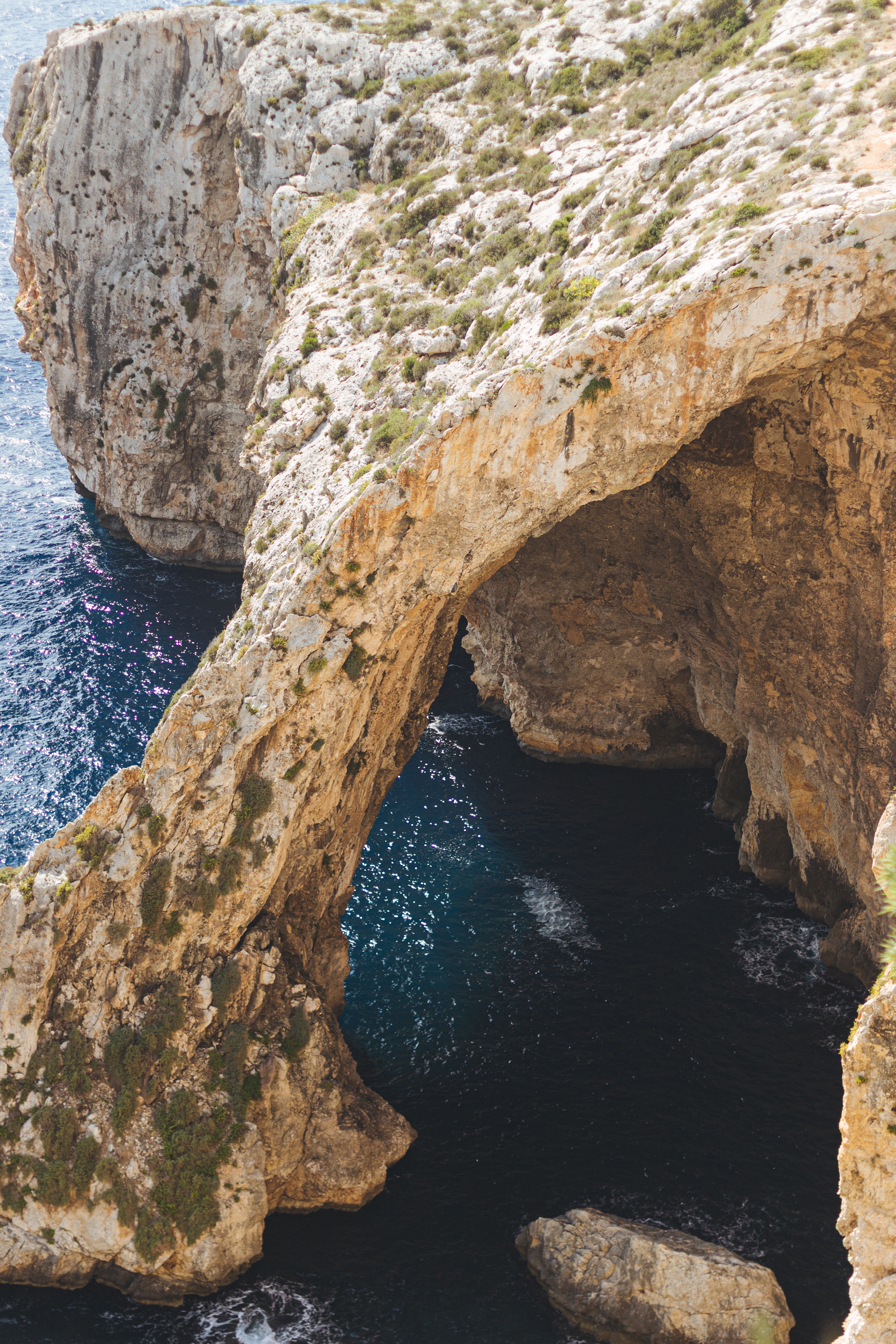
Nestled on the rugged north coast of Ibiza, Cala d’Albarca is a dramatic, wild cove framed by steep cliffs, rocky terraces, and windswept shrubs. It’s not a typical sunbathing beach, the shore is rocky, the terrain is jagged, and access takes effort.
But for those who seek solitude, raw beauty, and a more challenging interaction with nature, Cala d’Albarca is a rewarding destination.
In this article, we’ll explore what makes Cala d’Albarca unique, how to get there, what to expect, safety concerns, nearby points of interest, and ways to augment your visit with curated experiences.
Where & What Is Cala d’Albarca?
Cala d’Albarca (sometimes written Cala d’ Albarca) lies in the municipality of Sant Joan de Labritja, on Ibiza’s northern coast. It sits west of the better-known Cala Xarraca and east of Cala Xuclá. The coastline in this area is steep, wild, and less developed than much of Ibiza’s southern shores.
Unlike sandy, sheltered coves, Cala d’Albarca is rugged. The shoreline consists of rough rock, flat stone ledges, and shallow terraces. It’s not the soft sandy “beach” you might picture, but a place where the sea meets raw rock and the cliffs.
One of the striking features of Cala d’Albarca is its natural amphitheater-like cliffs. These cliffs rise steeply, creating dramatic shadows and vertical lines that ripple with light and wind. From above, the lookout points offer breathtaking views of the cove’s entire sweep and the open sea beyond.
Because of its relative obscurity, Cala d’Albarca is quieter than many of the more famous calas. You’ll find mostly people who plan to hike, explore, photograph, or simply float and listen to the waves.
Why Visit Cala d’Albarca?
1. Dramatic Scenery & Wild Ambience
Cala d’Albarca feels untamed and elemental. The cliffs and craggy rocks give it a raw character that contrasts sharply with Ibiza’s more polished beaches. For those who enjoy landscapes that feel rugged and epical, it’s a standout.
2. Quiet & Solitude
Because getting there is more challenging and because there are fewer amenities, the cove does not see large crowds. In mornings or off-peak days, you might have stretches of the cove to yourself.
3. Cliffside Photography & Views
For photographers or nature lovers, Cala d’Albarca offers stunning vantage points. The light at dawn or dusk illuminates the rock faces in golden hues. From high perches, you can see sparkling waters, the rugged shoreline, and sometimes other distant coves.
4. Sea Exploration
Though not ideal for long, comfortable swims due to rockiness, the water is inviting. You’ll find small inlets, underwater rock formations, and pockets of calm water for floating or snorkeling close to the cliffs. For experienced swimmers and snorkelers, exploring the submerged rock faces can be rewarding.
How to Get to Cala d’Albarca
Reaching Cala d’Albarca is an adventure in itself. It requires a combination of driving, walking, and careful navigation.
Drive to a nearby point: Use a GPS or map to guide you toward the northern roads near Sant Joan / Portinatx, then toward dirt tracks that lead toward the coast.
Last stretch on foot: The final path is typically a steep dirt trail that winds through scrub, rocky steps, and uneven ground. Allow time and slow your pace.
Parking: There is limited or informal parking near the top of the trail. Don’t block access, and park respectfully in designated or safe areas.
Gear up: Because of the rough terrain, wear sturdy shoes, not flip-flops. Hiking shoes or sport sandals with grip are ideal.
What to Bring & Notes on Safety
Because Cala d’Albarca is remote and lacks facilities, your preparation is key.
Essential items:
Water (plenty, more than you think you’ll need)
Light food / snacks
Sun protection: sunscreen, hat, UV shirt
Snorkeling gear
Towel + lightweight mat
Sturdy shoes for walking the rocks
Light backpack
Waterproof cover for electronics
Trash bags, carry out all your waste
First aid kit (for minor scrapes)
Safety tips:
Be cautious around edges and cliffs, they can be steep and slippery.
Avoid climbing on unstable rock faces.
Watch tides and sea conditions, waves can reach some rock ledges.
Don’t dive recklessly, underwater rock formations may be shallow or jagged.
Don’t go alone if you’re inexperienced; having a partner is safer.
Mobile reception may be weak or nonexistent in parts; let someone know your plan.
Best Time to Visit
Spring and early summer (May–June) or late summer / early autumn (September) are ideal: good weather, fewer crowds, and more comfortable sea temperatures.
Weekdays are better than weekends for tranquility.
Morning to early afternoon is best: explore, swim, and enjoy before heat or wind pick up.
Nearby Places & Attractions to Combine
Because Cala d’Albarca may not fill a whole day by itself, here are nearby sites to visit:
Cala Xarraca: Slightly more accessible, calmer snorkeling, great contrast to the ruggedness of Albarca.
Cala Xuclá: Less visited, offers more sheltered swimming.
Cova de Can Marca: Sea caves near Port de San Miguel; dramatic interiors and guided tours.
Mirador cliffs: Lookouts in the hills above the northern coast with sweeping vistas.
San Juan Market (Sunday): Local crafts, music, and atmosphere in the interior.
Walking trails: Trails connecting coves, old rural roads, paths between Portinatx and the cliffs.
More activities via Clubtickets Around Cala d’Albarca
Clubtickets is your go-to platform for discovering the best that Ibiza has to offer. From world-renowned clubs to unforgettable boat trips and unique island experiences, it connects you with everything that makes Ibiza iconic.
Cala d’Albarca is one of Ibiza’s wildest and least commercial corners. That is exactly what makes it special. You will not find rows of sunbeds, beach clubs, or easy tourist services here. Instead, it is a raw, scenic cove for travelers who want nature, silence, cliffs, and a real sense of discovery.
But that does not mean your visit has to feel disconnected from the rest of your Ibiza experience.
Clubtickets can help you connect a trip to Cala d’Albarca with curated activities nearby, turning a remote coastal visit into a fuller day on the island.
With Clubtickets, you can explore options such as:
- Sunset and day cruises along the northern coast: These allow you to admire Cala d’Albarca and its surrounding cliffs from sea level. This is one of the best ways to appreciate the scale of the landscape, especially if you want the views without the challenging hike.
- Snorkel or dive tours: These experiences focus on hidden coves, underwater caves, and scenic rock formations. The northern coastline is ideal for travelers who want a quieter and more natural side of Ibiza, away from the busiest beaches.
- Guided hiking or photography tours: For a more active plan, guided hiking or photography tours can be a great addition. Cala d’Albarca is especially interesting for landscape photography, dramatic coastal shots, and nature-focused itineraries.
- Private boat rentals: If you want more flexibility, private boat rentals allow you to create your own route along the coast, stopping near Cala d’Albarca or combining it with other remote calas in the north.
- Dinner or sunset plans nearby: To finish the day, you can pair the experience with a relaxed dinner, sunset viewpoint, or cliffside restaurant nearby.
That way, Cala d’Albarca becomes more than a short stop. It becomes part of a complete Ibiza day built around nature, sea views, and slow exploration.
Sample 1‑Day Itinerary Including Cala d’Albarca
Here’s an itinerary to make the most of the region:
07:30 – 08:30: Depart from your hotel (e.g. in Santa Eulalia or San Juan)
09:00 – 10:30: Arrive and explore Cala d’Albarca — walk rocks, swim, snorkel
10:30 – 11:15: Hike to lookouts or photograph cliffs
11:30 – 13:00: Visit a nearby cove like Cala Xarraca for calmer water
13:30 – 14:30: Lunch in Portinatx or San Juan
15:00 – 16:30: Cueva de Can Marca or a guided coastal walk
17:00: Return to Cala d’Albarca for late swim, golden light
Evening: Drive to a nearby restaurant for dinner, ideally cliffside or sea view
Concluding Thoughts
Cala d’Albarca isn’t for everyone. It’s not a beach made for lounging all day on white sand with cocktails. It’s for those who love dramatic landscapes, quiet exploration, and nature in its raw form. If you’re willing to put in a bit of effort, walking down rough trails, carrying supplies, the reward is a slice of Ibiza that feels untouched.
Pairing this kind of raw experience with organized, premium activities from services like Clubtickets allows you to have the best of both worlds: wild nature and polished experiences. In Ibiza, the truly memorable moments are often found in those contrasts.