
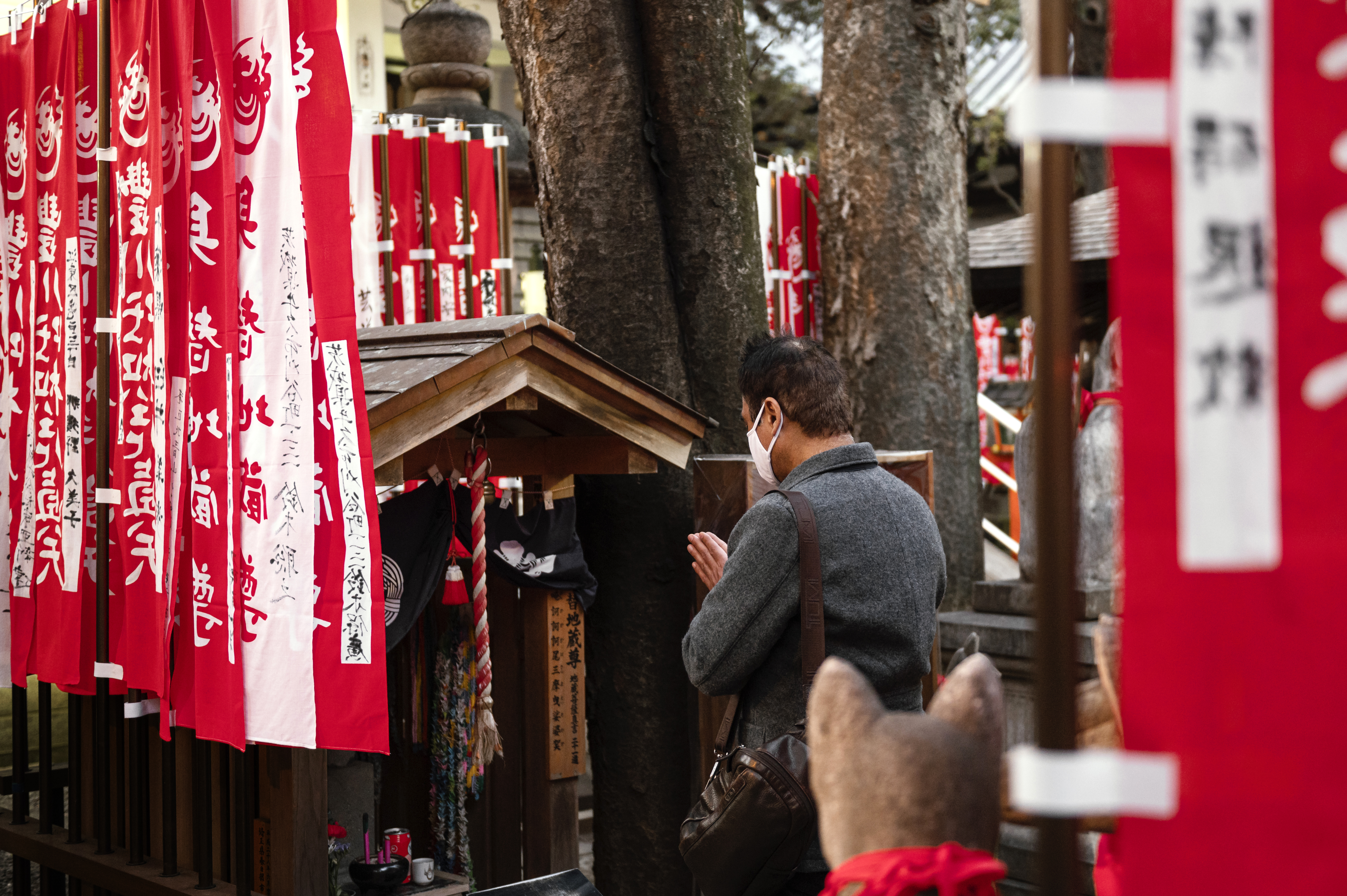
These are the best festivals in Japan:
Fuji Rock Festival
Summer Sonic
Ultra Japan
Tomorrowland Japan (special events / ecosystem)
Rainbow Disco Club
Fuji Rock’s Naeba After Dark
Rock in Japan Festival
Countdown Japan
Greenroom Festival
SonarSound Tokyo
Gion Matsuri
Japan is one of the most fascinating festival destinations in the world. It blends cutting-edge modern music culture with ancient traditions, creating experiences that feel both futuristic and deeply rooted in history. In 2025, Japan’s festival scene continues to grow in global relevance, offering everything from massive international music festivals to traditional celebrations that have existed for centuries.
From mountain-based open-air festivals to urban mega-events and sacred cultural gatherings, Japan offers a festival landscape unlike any other.
This guide explores the best festivals in Japan, explains what makes each one unique, and shows why Japan is becoming an increasingly important stop on the global festival circuit.
The 11 Best Festivals in Japan in 2025
1. Fuji Rock Festival
Fuji Rock is Japan’s most iconic international music festival. Held in the mountains of Niigata, it offers a breathtaking natural setting combined with world-class production. The lineup spans rock, indie, electronic, hip-hop, and experimental music.
Fuji Rock is known for its eco-conscious approach, relaxed atmosphere, and global audience. It feels more like a musical retreat than a chaotic festival, making it a favorite among experienced festivalgoers.
2. Summer Sonic
Summer Sonic is Japan’s biggest urban music festival, held simultaneously in Tokyo and Osaka. It focuses on international headliners and mainstream appeal, blending pop, rock, electronic, and hip-hop acts.
The festival attracts massive crowds and delivers a fast-paced experience, with multiple stages and a strong international presence.
3. Ultra Japan
Ultra Japan brings the global Ultra Music Festival brand to Tokyo. It is one of Asia’s largest EDM events, featuring high-energy performances, large-scale stage designs, and international superstar DJs.
Ultra Japan is intense, loud, and visually spectacular, offering a festival experience comparable to major European EDM events.
4. Tomorrowland Japan (ecosystem & special events)
While Japan does not host a full Tomorrowland edition, the brand has a growing presence through special events, collaborations, and Japanese audience engagement. Tomorrowland’s influence can be felt in Japan’s EDM culture, and many Japanese festivalgoers combine local festivals with international Tomorrowland experiences.
5. Rainbow Disco Club
Rainbow Disco Club is one of Japan’s most respected underground electronic festivals. Held in nature-based locations, it focuses on house, techno, and disco, with long sets and a carefully curated musical journey.
The crowd is knowledgeable, respectful, and deeply engaged with the music, creating an intimate and immersive atmosphere.
6. Fuji Rock’s Naeba After Dark
Beyond the main Fuji Rock stages, the after-dark programming in Naeba transforms the resort area into a late-night electronic and experimental playground. DJs, live acts, and pop-up performances keep the festival energy alive well into the night.
This extended programming adds depth and discovery to the Fuji Rock experience.
7. Rock in Japan Festival
Rock in Japan is one of the country’s largest domestic music festivals, showcasing Japanese rock, pop, and alternative artists. It is a celebration of Japan’s own music industry and fan culture.
The festival is energetic, patriotic in spirit, and deeply connected to local audiences.
8. Countdown Japan
Countdown Japan is a major year-end festival that celebrates the transition into the new year with music, performances, and large crowds. It is held indoors and attracts fans looking for a festive, communal way to end the year.
It blends mainstream Japanese music with international acts and special countdown moments.
9. Greenroom Festival
Greenroom Festival takes place near the ocean and blends music with surf, skate, and beach culture. Its lineup leans toward chill electronic, indie, and alternative sounds.
The atmosphere is relaxed and stylish, offering a contrast to high-intensity urban festivals.
10. SonarSound Tokyo
SonarSound Tokyo reflects the influence of Europe’s Sonar Festival on Japan’s electronic scene. It focuses on experimental electronic music, audiovisual performances, and forward-thinking artists.
It attracts creatives, producers, and audiences interested in innovation and technology-driven music.
11. Gion Matsuri
Gion Matsuri is one of Japan’s oldest and most important traditional festivals, held annually in Kyoto. Dating back over a thousand years, it features elaborate floats, ceremonies, and community celebrations.
Unlike modern music festivals, Gion Matsuri is rooted in spirituality and tradition, offering a powerful cultural counterpoint to contemporary events.
Why Japan Is a Unique Festival Destination
Festival culture in Japan operates on two parallel levels. On one side, there is an advanced, highly organized modern music scene that rivals Europe and the U.S. in production quality, logistics, and international appeal. On the other, there is a deep tradition of matsuri, local festivals rooted in religion, community, and seasonal cycles.
What truly sets Japan apart is precision and respect. Festivals are exceptionally well run. Crowds are disciplined, spaces are clean, and schedules are followed carefully. This creates an environment where large-scale events feel surprisingly calm and safe, even with tens of thousands of attendees.
Japan also attracts artists and festivalgoers looking for something different: a place where technology, aesthetics, ritual, and music coexist naturally.
When Festival Season Happens in Japan
Japan’s main festival season runs from May to September, with peak activity in summer.
Spring hosts cultural and seasonal festivals linked to cherry blossoms and traditional celebrations. Summer is the heart of music festival season, with large outdoor events and urban festivals. Autumn brings closing-season events and cultural matsuri, while winter focuses more on indoor festivals and countdown events.
Climate varies significantly depending on region, from cool mountain areas to hot and humid cities.
How to Choose the Right Festival in Japan
For international music and mountain settings, Fuji Rock stands out. For urban mainstream experiences, Summer Sonic and Ultra Japan are ideal. Electronic music lovers should look to Rainbow Disco Club and SonarSound Tokyo. For deep cultural immersion, Gion Matsuri offers something entirely different.
Japan’s festival scene rewards curiosity and openness to contrast.
10 Practical Tips for Festivals in Japan
Respect rules and instructions, organization is strict but efficient
Prepare for heat and humidity in summer
Carry cash, some vendors do not accept cards
Arrive early, punctuality is essential
Follow waste separation rules carefully
Use public transport, it is reliable and festival-friendly
Wear comfortable shoes for long walking distances
Learn basic Japanese phrases for smoother interaction
Stay hydrated and take breaks
Respect personal space and crowd etiquette
Extending Your Festival Journey with Clubtickets
For many global festival travelers, Japan is part of a much larger journey. After experiencing Japan’s precision, culture, and musical depth, some choose to continue their festival season in a completely different environment.
Ibiza offers that contrast.
With Clubtickets, travelers can transition from seasonal festivals to a destination where the festival never truly ends. Ibiza’s clubs operate like permanent stages, with daily lineups, extended residencies, and open-air venues that turn summer into a continuous celebration.
Through Clubtickets, you can plan:
Club nights at world-renowned venues
Boat parties that recreate festival energy on the Mediterranean
Daytime events at beach clubs and open-air spaces
Ferry trips to Formentera for slower recovery days
Water activities and island experiences to balance intense nights
Rather than ending your festival year, Clubtickets allows you to extend it, moving from Japan’s mountains and cities to Ibiza’s beaches and sunsets.
Final Thoughts
Japan offers one of the most unique festival ecosystems in the world. It is a place where ancient tradition and modern innovation coexist without conflict. From the calm precision of Fuji Rock to the sensory overload of Ultra Japan, from underground electronic journeys to sacred cultural rituals, festivals in Japan are as diverse as the country itself.
In 2025, Japan continues to establish itself as an essential stop on the global festival map. And for those who want to keep the journey alive, Ibiza, and platforms like Clubtickets, provide a natural next chapter, ensuring that the music, movement, and sense of connection never truly stop.